Unmasking the Deception: Exposing Ultra-Processed ‘Healthy’ Foods for Optimal Wellness
At Plenofit.com, our mission is to empower you with the knowledge and tools to achieve true, lasting wellness. In an age flooded with marketing claims and dietary fads, it’s increasingly challenging to discern what’s genuinely good for your body. One of the biggest culprits contributing to this confusion? The stealthy category of ultra-processed foods masquerading as ‘healthy’ options.
You’ve seen them on supermarket shelves: the ‘low-fat’ granola, the ‘gluten-free’ crackers, the ‘organic’ protein bars, or the ‘fortified’ breakfast cereals. They wear a halo of health, often promising convenience, weight loss, or boosted nutrition. But beneath their glossy packaging and bold claims lies a truth that could be undermining your health goals. It’s time to pull back the curtain and expose these dietary imposters.
What Exactly Are Ultra-Processed Foods (UPFs)?
Before we delve into the deception, let’s clarify what we mean by ‘ultra-processed.’ Not all processed foods are inherently bad. Chopping vegetables, cooking a meal, or even pasteurizing milk are forms of processing that can be beneficial or neutral. The critical distinction lies in the degree and type of processing, often categorized using the NOVA classification system:
- Group 1: Unprocessed or Minimally Processed Foods – Whole fruits, vegetables, nuts, seeds, eggs, meat, fish, milk. Foods in their natural state or processed to increase shelf life or palatability without adding substances (e.g., dried fruit, roasted nuts without salt).
- Group 2: Processed Culinary Ingredients – Oils, butter, sugar, salt. Substances derived from Group 1 foods that are used to season or cook them.
- Group 3: Processed Foods – Simple combinations of Group 1 and 2 foods (e.g., canned vegetables, homemade bread, cheese, cured meats). These are still recognizable as versions of whole foods.
- Group 4: Ultra-Processed Foods (UPFs) – This is where the red flags wave. UPFs are industrial formulations typically containing five or more ingredients, many of which are not commonly found in home kitchens. Think high-fructose corn syrup, hydrogenated oils, artificial flavors, emulsifiers, thickeners, and colorings. They are designed to be hyper-palatable, highly profitable, and have a long shelf life.
The ‘healthy’ ultra-processed foods fall squarely into Group 4, despite their clever marketing.
The Deceptive Tactics of ‘Healthy’ UPFs
How do these foods trick us into thinking they’re good for us? It’s a combination of clever marketing and industrial food science:
1. Nutrient Stripping and Fortification Illusion
Many UPFs start with refined ingredients – flours stripped of fiber and nutrients, oils extracted with chemical solvents. To compensate, manufacturers ‘fortify’ them with synthetic vitamins and minerals. While this may sound good, these isolated nutrients don’t offer the same synergistic benefits as those found naturally in whole foods, which come packaged with fiber, antioxidants, and countless other beneficial compounds.
2. Hidden Sugars, Sodium, and Unhealthy Fats
Even products marketed as ‘healthy’ can be loaded with surprising amounts of sugar, sodium, and unhealthy fats. ‘Low-fat’ items often compensate for reduced fat with extra sugar to maintain palatability. ‘Savory’ snacks can be high in sodium to enhance flavor. And trans fats, though less common now, and unhealthy hydrogenated vegetable oils are still prevalent in many baked goods, snacks, and processed meals, contributing to inflammation and cardiovascular risk.
3. Additives, Preservatives, and Artificial Ingredients
UPFs are chemical concoctions. Emulsifiers, stabilizers, artificial colors, flavors, and preservatives extend shelf life, improve texture, and enhance taste. While many are deemed ‘safe’ by regulatory bodies, their long-term impact on gut health, metabolism, and overall well-being is increasingly under scrutiny. Some studies link regular consumption of these additives to inflammation, altered gut microbiota, and even behavioral issues.
4. The Fiber Fallacy
Manufacturers often add isolated fibers, like inulin or maltodextrin, to UPFs to boost their ‘fiber content’ claim. However, these processed fibers don’t provide the same comprehensive benefits as the intact, naturally occurring fiber found in fruits, vegetables, whole grains, and legumes. Natural fiber slows digestion, feeds beneficial gut bacteria, and helps regulate blood sugar in a way that isolated fibers often don’t.
5. Misleading Healthwashing Terms
Beware of buzzwords: ‘natural flavors,’ ‘made with whole grains’ (when it’s mostly refined), ‘good source of protein’ (from isolated soy protein), ‘organic’ (an organic cookie is still a cookie), ‘gluten-free’ (often means more sugar, fat, and refined starches), ‘vegan’ (a vegan donut is still a donut). These terms distract from the product’s overall ultra-processed nature.
The Real Impact on Your Health
Consistent consumption of ultra-processed ‘healthy’ foods can have significant negative consequences:
- Weight Gain and Obesity: UPFs are typically calorie-dense, low in nutrients, and designed to be hyper-palatable, leading to overeating and insufficient satiety.
- Increased Risk of Chronic Diseases: Studies consistently link high UPF intake to higher risks of type 2 diabetes, heart disease, certain cancers, and metabolic syndrome.
- Disrupted Gut Health: The lack of diverse natural fiber, combined with artificial ingredients, can negatively alter your gut microbiome, impacting digestion, immunity, and even mood.
- Inflammation: Many ingredients in UPFs, like refined oils and sugars, are pro-inflammatory, contributing to a range of health issues.
- Mental Health Concerns: Emerging research suggests a connection between high UPF consumption and increased risks of depression and anxiety, possibly due to gut-brain axis disruption.
How to Spot the Imposters: Your Guide to Smarter Choices
Empower yourself by becoming a savvy shopper and label reader:
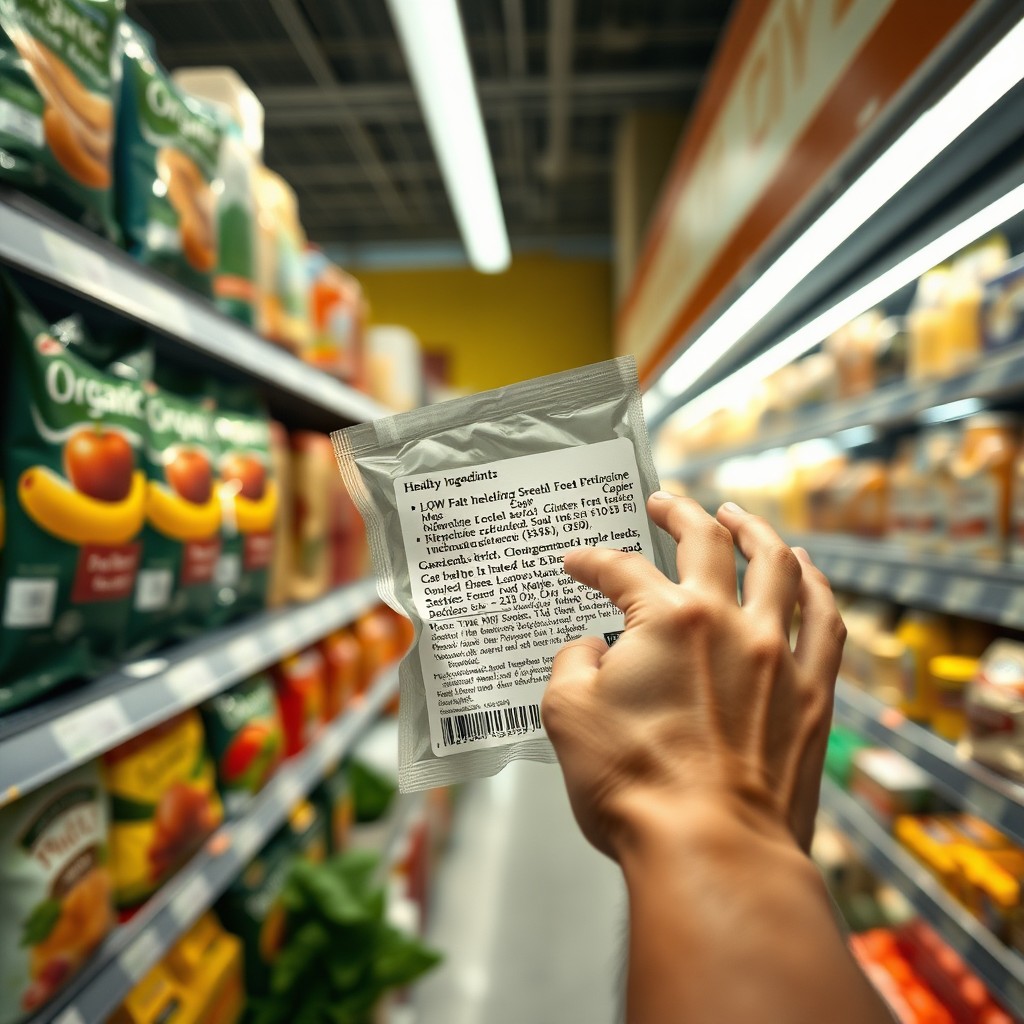
- Read the Ingredient List First: Don’t be swayed by front-of-package claims. Turn the product over. A general rule of thumb: if the ingredient list is long, complex, and filled with names you don’t recognize or can’t pronounce, put it back.
- Prioritize Whole, Recognizable Ingredients: Look for foods where the first few ingredients are whole foods you would have in your kitchen (e.g., oats, nuts, fruit, vegetables, lean protein).
- Beware of Added Sugars in Disguise: Sugars come in many forms: high-fructose corn syrup, cane sugar, brown rice syrup, dextrose, maltodextrin, agave nectar, fruit juice concentrate. If any of these are high on the list, reconsider.
- Limit Products with Artificial Additives: Avoid artificial colors, flavors, sweeteners (sucralose, aspartame, saccharin), emulsifiers (carrageenan, polysorbate 80), and preservatives (BHA, BHT).
- Shop the Perimeter: Supermarkets are generally designed with whole, fresh foods (produce, meats, dairy) around the perimeter and processed foods in the central aisles. Stick mostly to the edges.
Embracing True Wellness: A Plenofit Approach
At Plenofit, we advocate for a return to real, nourishing foods. This doesn’t mean perfection, but rather a conscious shift towards prioritizing:
- Whole, Unprocessed Foods: Base your diet on a diverse range of fruits, vegetables, whole grains, legumes, lean proteins, and healthy fats.
- Home Cooking: Preparing your own meals gives you complete control over ingredients, allowing you to avoid hidden sugars, unhealthy fats, and additives.
- Mindful Eating: Pay attention to hunger and fullness cues, savor your food, and appreciate its nourishing qualities.
- Hydration: Choose water, unsweetened tea, or coffee over sugary beverages, even those marketed as ‘health drinks.’
Understanding the deception behind ‘healthy’ ultra-processed foods is a crucial step on your wellness journey. By making informed choices, you can protect your health, boost your energy, and truly nourish your body from the inside out. Don’t fall for the marketing hype – choose real food, choose real health with Plenofit.com.